Feather Pride Flag
Drag Pride Flag ·
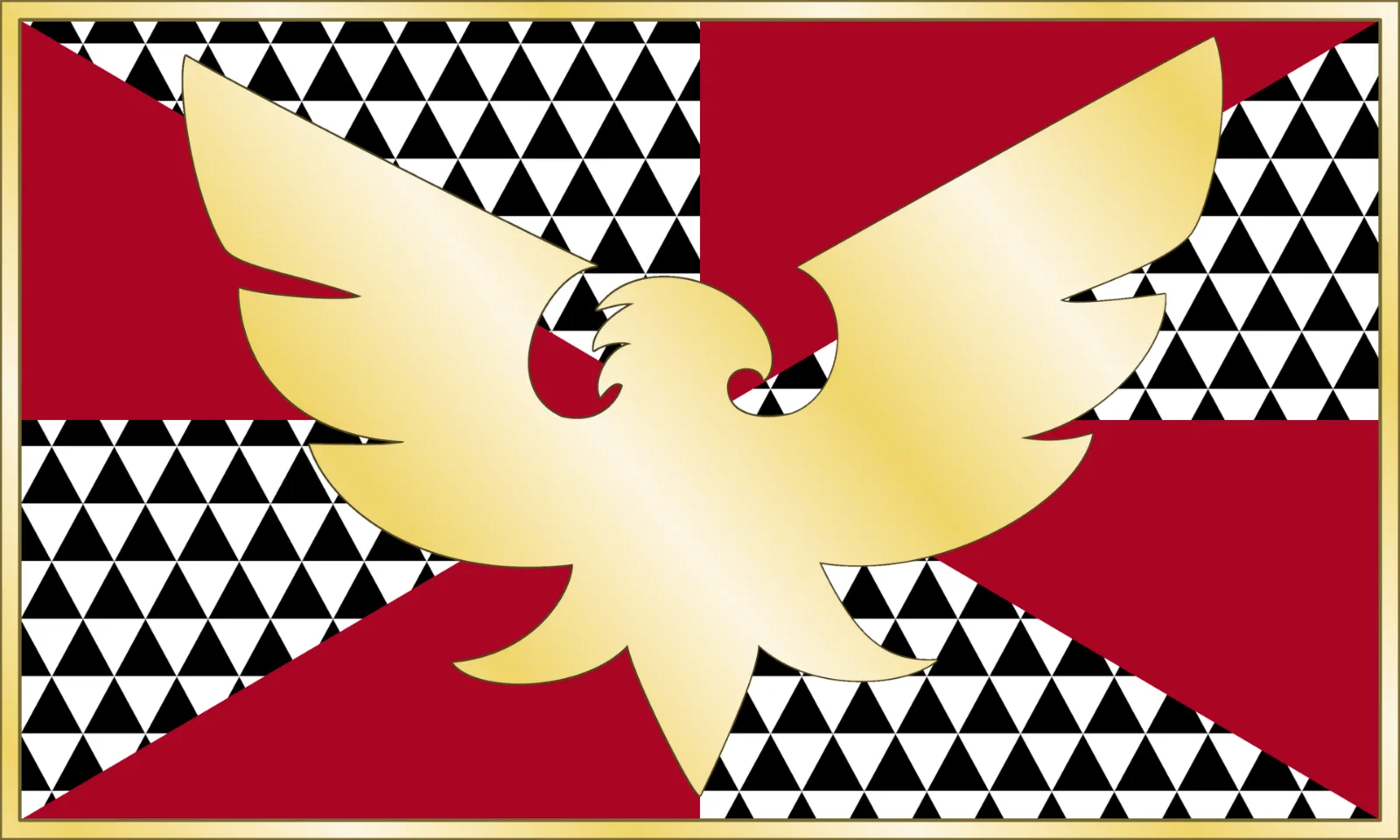
A gold phoenix over a red, black, and white patterned field, designed by Sean Patrick Campbell and first published in the June 2000 Pride edition of Gay and Lesbian Times (Greater Palm Springs Edition). Campbell's Twilight Guard gallery dates the design to 1999, though his own later account places his flag designs after he joined the publisher in early 2000. Campbell said the phoenix honored drag performers' fundraising during the AIDS epidemic and represented rebirth, while the surrounding field drew on Maryland heraldry and harlequin costume. [1][2]
Key facts
- Designer
- Sean Patrick Campbell
- Created
- First documented public use
- June 2000, as a published magazine graphic
- In use
- First published June 2000
- Aspect Ratio
- 5:3
- Stripes
- 0
- Origin
- Palm Springs, California, United States
- Represented Identity
- drag community
Also known as
- Feather Drag Pride Flag
Status Historical
Archive categories Subculture Pride Flags · Historical and Early Pride Flags
Overview
Sean Patrick Campbell's Feather Pride Flag centers a gold phoenix on a radiating field of crimson and black-and-white triangles. The Twilight Guard gallery dates the design to 1999, and it was first published as a graphic in the June 2000 Pride edition of Gay and Lesbian Times (Greater Palm Springs Edition). [1][2]
Campbell dedicated the design to drag performers and their AIDS-era fundraising and awareness work, using the phoenix to represent feathers, flame and rebirth. The surrounding field combines the symmetry of Maryland heraldry with triangle patterns adapted from eighteenth-century harlequin costume, and its gold and red draw on royalty, gold lamé, lipstick and the theater curtain. [1]
Identity & Context
- Represented Identity
- drag community
- Subcommunity
- Drag performers, including drag queens and drag kings, and the communities surrounding drag performance
- Movement
- drag visibility within Pride; documentation of drag-community fundraising and cultural work during the HIV/AIDS epidemic
- National Context
- Created in the United States for a regional Southern California LGBTQ+ publication; circulated globally afterward through pride flag reference sources
Designed as a publication graphic for a magazine layout rather than developed within drag communities, the same provenance as Campbell's Labrys Lesbian Flag.
Creators
The Creator
Sean Patrick Campbell
Designer
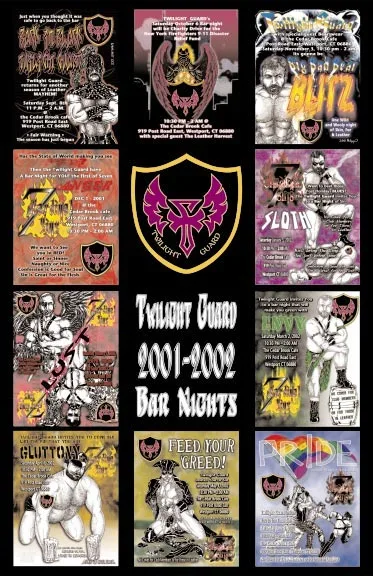
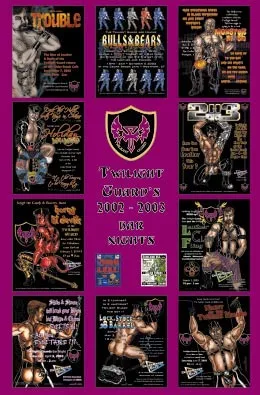
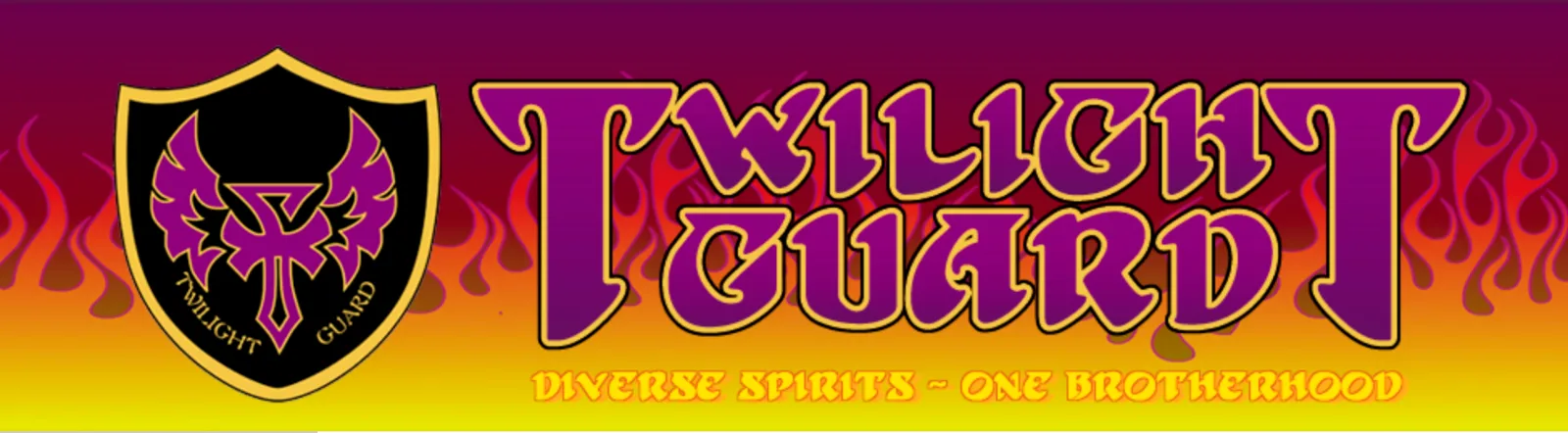
Sean Patrick Campbell (died reportedly summer 2025) was a gay graphic designer from New York who drew a series of pride flags for a single magazine issue. He trained in art, illustration and graphic design at Iona College in New Rochelle, New York, graduating in 1989, studied what was then applied computer science, now desktop publishing, at Mercy College in Dobbs Ferry, and worked in print through the 1990s. He moved to California in July 1999, joined a small Palm Springs gay magazine, and at the beginning of 2000 took a post at a larger Palm Springs publisher: "Here is where I created my flag designs." From its founding in 1995 he was also a resident artist and later an officer of the Twilight Guard, the leather club whose online gallery preserves the flag and carries his dedication of his designs to the public domain. [1][3][2][4][5]
Campbell's death in the summer of 2025 was reported the following June by Tony Scupham-Bilton, who had published his guest post and corresponded with him. [6]
The Leather Journal carried a notice of his death by Michael Conley on 15 September 2025, which gives the cause as a long battle with colon cancer and no exact date. [7]
Feathers and Flames - I couldn't think of any better way to describe or symbolize the female impersonators, drag queens, fancy kings and their courts who were at the forefront of fundraising for research and awareness at the height of the AIDS epidemic sweeping through the community in the 1980's.
Motivations
- To represent female impersonators, drag queens, fancy kings and their courts, whom Campbell identified as leaders of AIDS-era fundraising and awareness work [1]
- To produce original flag graphics for the magazine's June 2000 Pride edition without licensing third-party photographs [1]
Stated inspirations
- An unnamed late-1980s artist's Icarus-style phoenix sculpture, framed as the gay community's symbol of rebirth from the AIDS epidemic[1]
- The Maryland state flag's symmetric heraldic quartering, its quadrants replaced with a sunburst behind the phoenix[1]
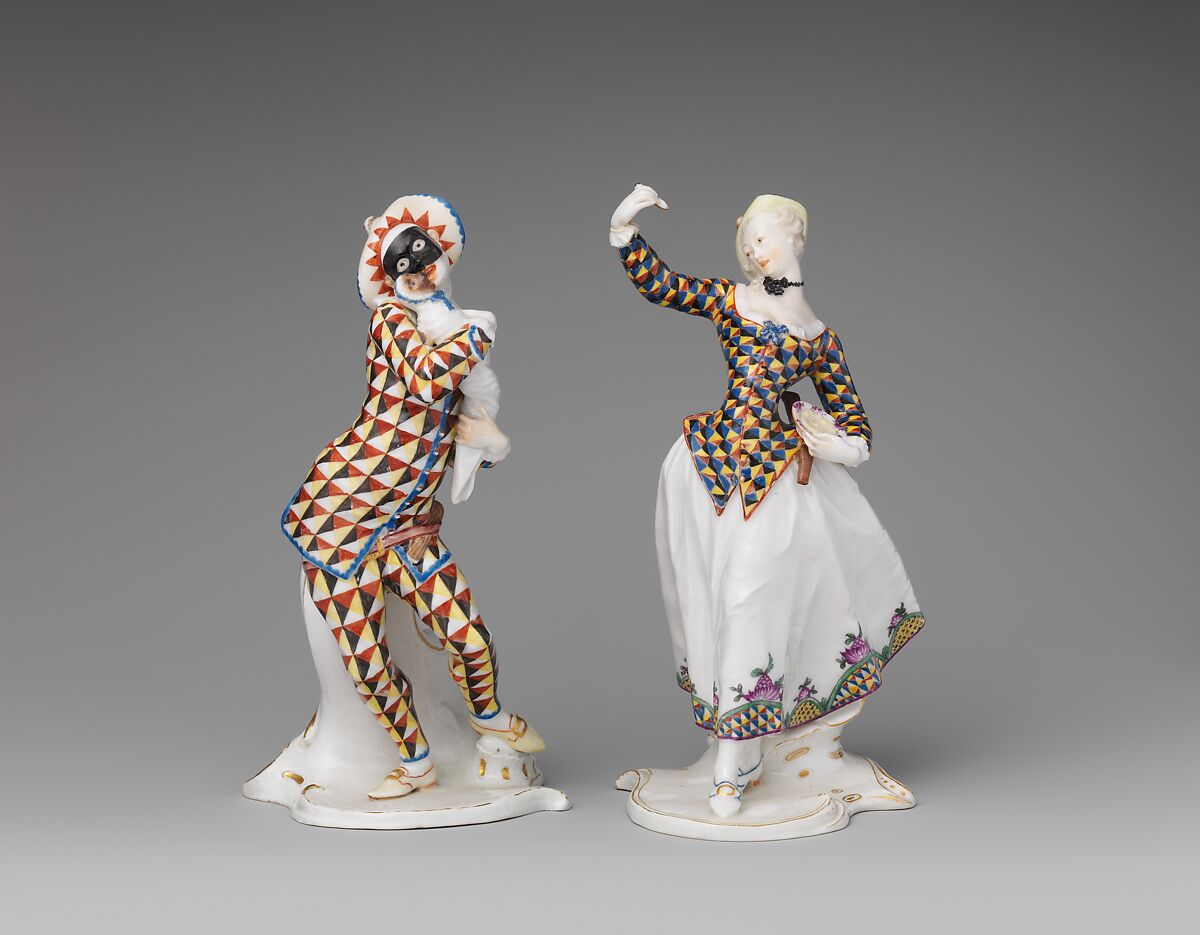
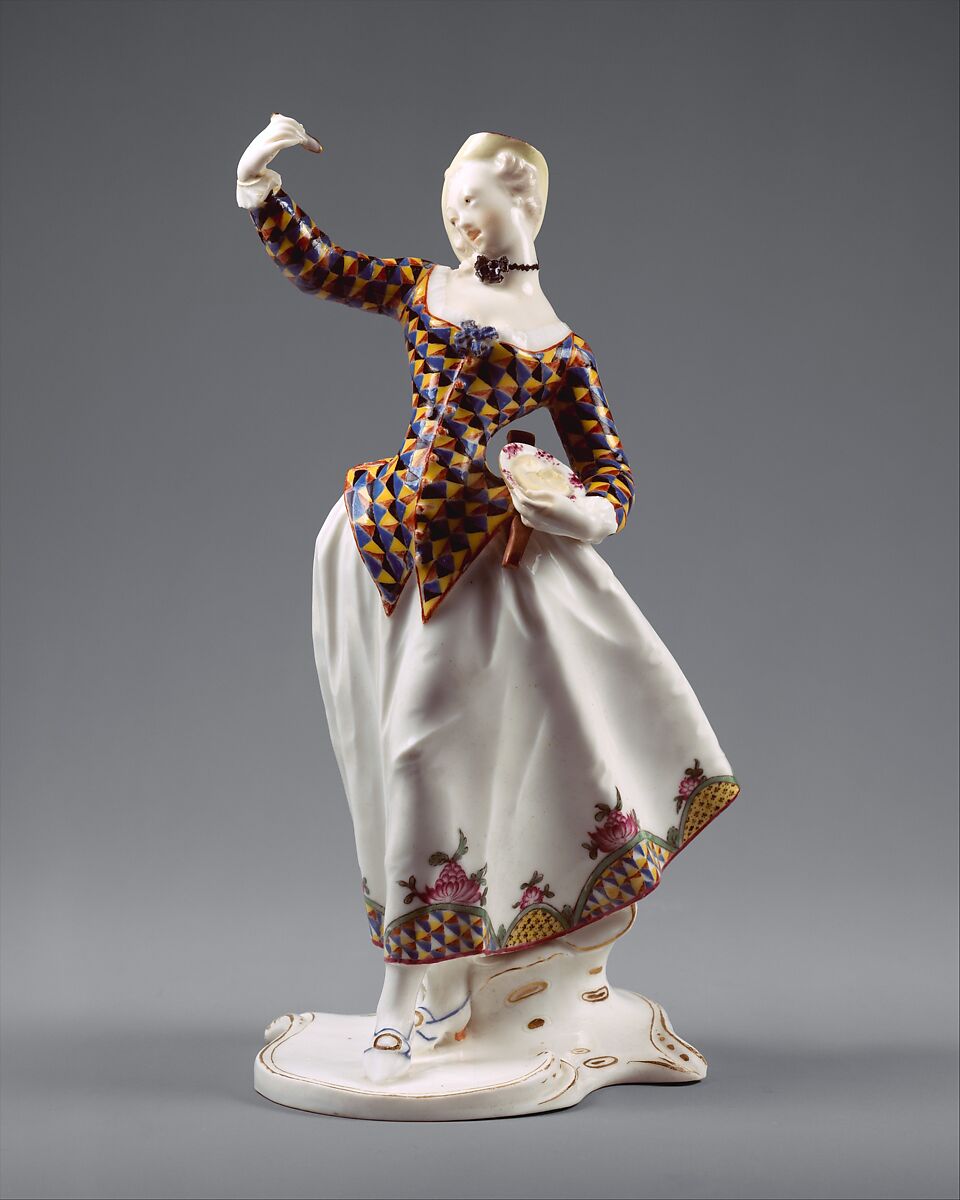
- The diamond motley of eighteenth-century harlequin costume, the diamonds replaced with triangles[1]
- Drag-apparel color associations: gold for royalty and gold lamé, lipstick red and red curtain[1]
Attribution
- Organization
- Gay and Lesbian Times (Greater Palm Springs Edition)
Attribution notes
Created in-house for the June 2000 Pride edition of the Gay and Lesbian Times (Greater Palm Springs Edition); no formal commission is documented. Campbell is the same designer profiled in the Labrys Lesbian Flag entry, whose flag ran in the same issue. [6][1]
Origin
- Country
- United States
- Region / state
- California
- City
- Palm Springs
- Specific Place
- Gay and Lesbian Times (Greater Palm Springs Edition), June 2000 Pride edition
- Place Type
- LGBTQ+ regional newspaper
The flag was first published in Palm Springs, within the Agua Caliente Indian Reservation and the ancestral homeland of the Agua Caliente Band of Cahuilla Indians. [8] Séc-he, "sound of boiling water," names the sacred hot spring at the heart of what is now downtown Palm Springs. [9][10] The reservation was established by executive order in 1876 and expanded in 1877, and its lands lie in a checkerboard across Palm Springs, Cathedral City, Rancho Mirage and unincorporated Riverside County; the Tribe and its members are collectively the largest landowners in the city. [11][9] The Tribe today describes itself as steward of its ancestral land. [8]
Indigenous land context
Agua Caliente Band of Cahuilla Indians — reservation and ancestral homeland (Indigenous name: Séc-he) [8][9][10]
First published in the June 2000 Pride edition of the Gay and Lesbian Times (Greater Palm Springs Edition), a four-month-old regional edition of a San Diego newspaper founded in 1988. The new edition "had no photo archives," so rather than "hunt around getting copyright clearance for photos and images" Campbell drew original flags for the sections of the community the issue covered; three companions ran in the same issue. [6][1][7] The paper folded on 30 September 2010, and its back run is correspondingly hard to reach. [7]
Dates & Chronology
- Year Created
- First public use
- June 2000, as a published magazine graphic
- Period in Use
- First published June 2000; still catalogued in flag guides and reproduced by retailers
The flag is listed in many pride flag guides and remains commercially available from LGBTQ+ flag retailers. [12][13][14]
The Twilight Guard gallery dates the design to 1999 and its first magazine use to 2000. In a later autobiographical account, Campbell recalled creating his flag designs after joining the publisher in early 2000; the surviving accounts therefore differ slightly on the design date, while publication in June 2000 is secure. [1][3][2]
The Queerstory Files is the earliest located secondary source for the series: Campbell wrote its January 2012 post on this flag himself as a guest, and Tony Scupham-Bilton wrote the follow-up of 21 June 2012 covering three of the others. [6][1]
Lineage
The flag is part of the series Campbell drew for the June 2000 Pride edition; the Labrys Lesbian Flag is a sibling design from the same issue, and Campbell's surviving corpus is larger than the best-known pair: the Twilight Guard gallery marks five designs as his. [6][2]
The contemporary Drag Pride Flag (Veranda L'Ni, 2016) is a successor in function rather than a design descendant: it came out of an Austin International Drag Festival contest and uses a different visual vocabulary.
Clare Bayley's field guide of 27 June 2013 is an early independent reading of the series: it names Campbell as "the same man who created the labrys Lesbian Pride flag" and says he "designed several other flags for niche communities, but these seem to be the two that have survived in common usage." Bayley also gives the phoenix a meaning Campbell does not, calling it "the fiery passion that sprang up in the drag community during the early days of the HIV/AIDS epidemic"; Campbell's own account names the performers who raised money rather than a passion. [15]
Colors & Symbolism
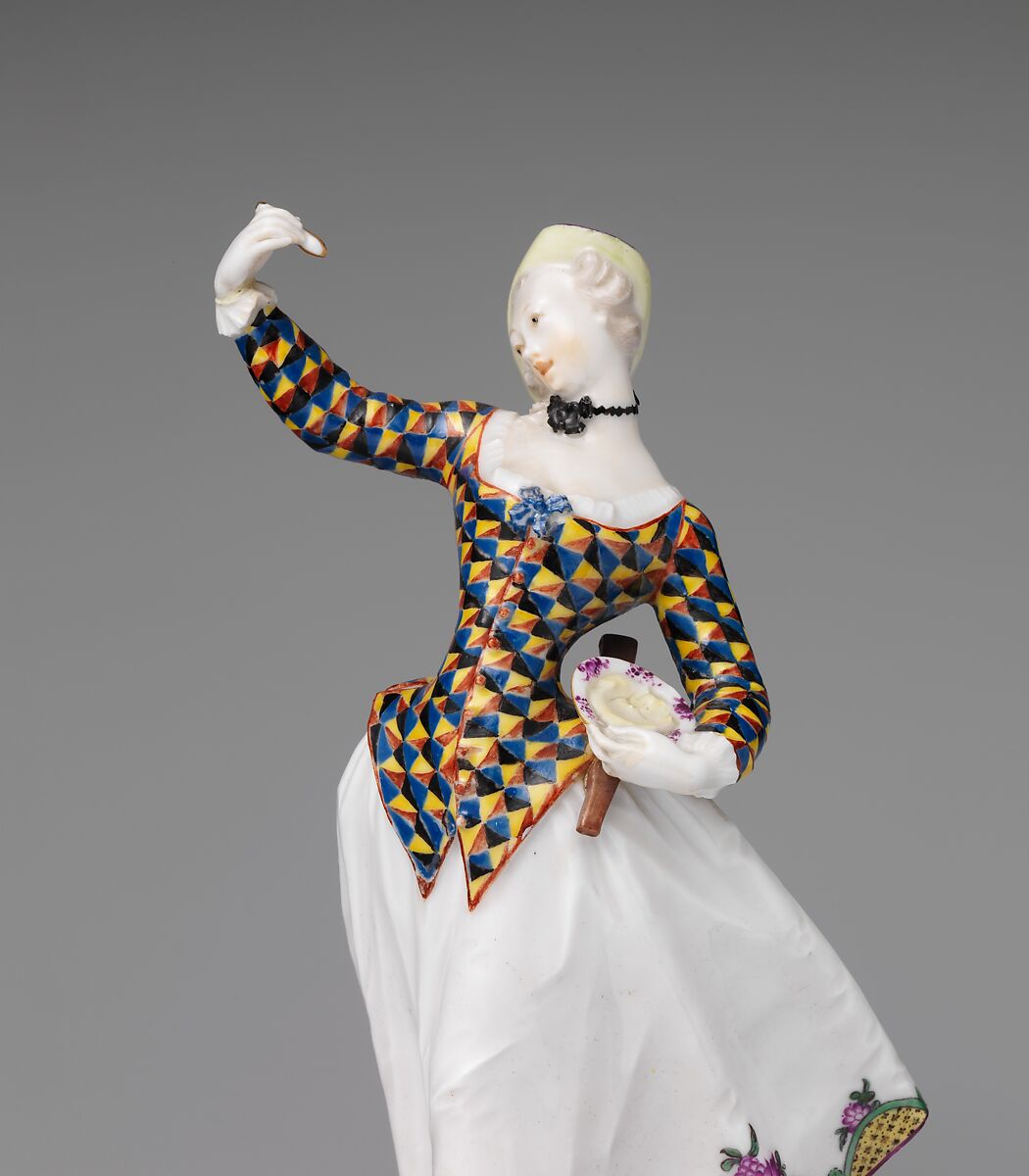
Campbell supplied the flag's meanings in his January 2012 account. The gold phoenix carries feathers and flame at once, honoring the drag performers he placed "at the forefront of fundraising for research and awareness" during the AIDS epidemic, and the community's rebirth from its ashes. The field's symmetry follows the Maryland state flag, with a sunburst substituted behind the phoenix, and the black-and-white triangles adapt the diamond motley of eighteenth-century harlequin costume, drag performers being for Campbell the harlequins of the present. [1]
| Colour | Hex | Meaning | Note |
|---|---|---|---|
| Crimson (field wedges) | #A90D2A | "Lipstick red - red curtain": the colour Campbell associated with the gold phoenix and the stage. [1] | Sampled from the CC0 file credited to Campbell. [17] |
| Gold (phoenix and border) | #F4DE8D | "Gold is gold," a symbol of royalty, and gold lamé, "a standard in drag apparel." [1] | Sampled from the CC0 file; the bird and the border both carry a gradient, so this is one point on it. [17] |
| Black (triangles) | #000000 | Visual contrast in the triangle tessellation. [1] | Sampled from the CC0 file. [17] |
| White (triangles) | #FFFFFF | Visual contrast in the triangle tessellation. [1] | Sampled from the CC0 file. [17] |
This flag has no official digital palette. Color values shown are approximate.
- Gold phoenix
- Feathers, flame and rebirth from the ashes of the AIDS epidemic, honoring the female impersonators, drag queens, fancy kings and their courts Campbell placed at the forefront of AIDS-era fundraising and awareness work. He took the image from an unnamed late-1980s artist's Icarus-style phoenix sculpture, framed then as the gay community's symbol of rebirth, and added, "This imagery never really took ground with the gay community, but the idea stayed with me and eventually found it's way into my design."
- Symmetric heraldic field with sunburst
- The Maryland state flag's symmetric quartering, with a sunburst substituted as "a dazzling burst of light, which would be natural to appear with the phoenix."
- Black and white triangle pattern
- The diamond motley of an eighteenth-century harlequin costume, with triangles, "a well known symbol of the gay community," in place of diamonds. Campbell called drag performers the harlequins of the present, "physical, colorful, romantic, comedic, high-spirited and clever," and answered in advance any reading of the comparison as mocking: "not at all."
No creator-published colour specification has been located; Campbell gave his colours meanings rather than numbers. The values here are sampled from the file the entry shows, a 2019 remake of a 2011 web graphic credited to Campbell. Published descriptions split between calling the field red and calling it maroon. [17][18][12][13]
Design
- Aspect Ratio
- 5:3
- Orientation
- horizontal
- Stripe Count
- 0
- Layout
- emblem on a gyronny field
- Center Symbol
- A gold phoenix displayed, wings raised and spread, head turned to the hoist with the beak open
- Additional Symbols
- Eight sectors radiating from the centre, alternating crimson and a black-and-white triangle tessellation, A narrow gold border around the whole flag
The field is gyronny of eight: eight equal wedges of forty-five degrees each radiating from the flag's centre, alternating crimson with a tessellation of black and white triangles, within a narrow gold border. The phoenix stands at the centre, displayed with its wings raised and spread nearly to the fly on both sides, its head small and turned toward the hoist with the beak open, and its tail descending across the lower edge. The two inner curls of the wings, at the shoulders, are voided so the field shows through them. The bird is drawn in flat gold with a pale highlight running up the breast, outlined in black. The black-and-white sections are triangles rather than square checks, filling alternating wedges, matching Campbell's account of a sunburst in place of Maryland's quadrants and of triangles substituted for diamonds. [1]
The displayed rendering is a 2019 Commons remake, made with "as little changes as possible," of a 288 by 174 pixel GIF uploaded to Wikipedia in March 2011, credited to Sean Campbell and sourced to the Twilight Guard's gallery. [17][18] Its proportions and colours derive from that circulating file rather than from the June 2000 printing.
A gold phoenix displayed at the centre of a field gyronny of eight, its wedges alternating crimson with a black-and-white triangle tessellation, within a narrow gold border. [12][13][14][1]
Usage & Adoption
- First Users
- Palm Springs Gay and Lesbian Times (June 2000 Pride edition, original publication context)
- Geographic Usage
- United States (originated in Palm Springs, California)
- Online Usage
- Pride flag reference and explainer sites internationally (SexualDiversity.org, Library.LGBT, Queer in the World, Good Good Good, drag retailers)
- Current Status
- historical
SexualDiversity.org and Library.LGBT note that most contemporary drag entertainers are unaware of Campbell's flag, an observation Drag Pride, the organization affiliated with Veranda L'Ni's 2016 Drag Pride Flag, also reports. L'Ni's design, produced through an Austin International Drag Festival contest, is the more prominent drag flag in many contemporary guides and drag-pride contexts. Campbell's is commonly described in the cited sources as the earliest documented flag designed for the drag community. [12][13][19][14]
Image Archive
The Designer's Other Work
The Design's Sources
Discourse & Debates
- Campbell's flag and Veranda L'Ni's 2016 Drag Pride Flag are sometimes weighed against each other as "the" drag flag. They have different origins and visual languages: Campbell's began as an in-house graphic for a magazine's 2000 Pride edition, while L'Ni's came from a 2016 Austin International Drag Festival contest. Drag Pride, affiliated with the L'Ni flag, reports that most drag entertainers do not know Campbell's design.
Common misidentifications
- "Feather" refers to the phoenix and Campbell's phrase "Feathers and Flames." It is not a reference to a feather-related fetish flag.
- Confused with Veranda L'Ni's 2016 Drag Pride Flag, the more widely used drag flag today, which uses a different visual vocabulary: a vertical purple-white-blue tricolor with a crown and stars.
The flag is variously called the Feather Pride Flag or the Feather Drag Pride Flag, and is sometimes described as the original drag pride flag. [12][13]
Footnotes & Citations
Sources and footnotes 19 sources
- 1. Primary statement Drag History Month (Sean Patrick Campbell guest post on the Feather Pride Flag). Sean Patrick Campbell (guest post on The Queerstory Files, edited by Tony Scupham-Bilton). The Queerstory Files (2012-01-25). Accessed 2026-04-07
- 2. Designer page Pride and Fetish Flag Gallery. The Twilight Guard; Sean Patrick Campbell served the organization as resident artist and webmaster. The Twilight Guard. Accessed 2026-08-03 · Archived version
- 3. Primary statement Résumé & Portfolio: Sean Patrick Campbell — Graphic Design, Illustration, Production, Web Design (identified as the flags' designer by matching biographical detail). Sean Patrick Campbell. Self-published portfolio, 20 pages (2016). Accessed 2026-08-03
- 4. Organizations News from the Twilight Guard & Beyond (Guard Post, Online Edition). The Twilight Guard. The Twilight Guard (2015-2017). Accessed 2026-08-03
- 5. Organizations A Brief History of the Twilight Guard. The Members of the Twilight Guard. Prepared for the Atlantic Motorcycle Coordinating Council, ten pages (2006-03). Accessed 2026-08-03
- 6. Blogs & Personal Sources Putting Out Sean Campbell's Flags. Tony Scupham-Bilton. The Queerstory Files (2012-06-21). Accessed 2026-04-07
- 7. Encyclopedias & Reference Gay and Lesbian Times. Wikipedia contributors. Wikipedia (2025-12-05). Accessed 2026-08-04
- 8. Government Agua Caliente Band of Cahuilla Indians. Agua Caliente Band of Cahuilla Indians. Accessed 2026-08-05
- 9. Tribal nation We Are Agua Caliente (Our Story: A New Vision). Me Yah Whae, the magazine of the Agua Caliente Band of Cahuilla Indians, Fall/Winter 2020-2021 (2020). Accessed 2026-08-05
- 10. Tribal nation Cahuilla Territory. Mona de Crinis. Me Yah Whae, the magazine of the Agua Caliente Band of Cahuilla Indians, Fall/Winter 2021-2022 (2021). Accessed 2026-08-05
- 11. Articles & Reports How the Agua Caliente Band of Cahuilla Indians Held On in Palm Springs. Smithsonian Magazine. Accessed 2026-03-19
- 12. Feather Drag Pride Flag. Sexual Diversity. SexualDiversity.org (2022-11-15). Accessed 2026-04-07
- 13. What Is the Drag Pride Flag & What Does It Mean?. Kamrin Baker. Good Good Good (2024-01-04). Accessed 2026-04-07
- 14. Pride Flag Guide: Drag. Library.LGBT (Albany Pride). Library.LGBT (2021-06-11). Accessed 2026-04-07
- 15. Blogs & Personal Sources A field guide to Pride flags. Clare Bayley. clarebayley.com (2013-06-27). Accessed 2026-08-04
- 16. Museums & Exhibitions Harlequina (1974.356.524), Harlequin (1974.356.525) and Lucinda (1974.356.802), Nymphenburg Porcelain Manufactory. Franz Anton Bustelli, modeler. The Metropolitan Museum of Art (ca. 1760-1763). Accessed 2026-08-04
- 17. Image file page File:Feather pride flag.png. Sean Campbell; higher-resolution remake by the Commons contributor Matinee71. Wikimedia Commons (2019-05-29). Accessed 2026-08-03
- 18. Image file page File:Feather Pride Flag.gif. Sean Campbell. English Wikipedia (2011-03-30). Accessed 2026-08-03 · Archived version
- 19. Drag Pride Flag. Drag Pride. Drag Pride / dragpride.com. Accessed 2026-04-07


Image Sources
- Rendering
- derived from the designer's own posted file
- Credit: Sean Campbell, CC0 1.0, via Wikimedia Commons
- Twilight Guard bar-night posters, 2001-2002 · Credit: Sean Patrick Campbell. Reproduced from A Brief History of the Twilight Guard; rights not identified · A Brief History of the Twilight Guard, March 2006, page 7
- Twilight Guard bar-night posters, 2002-2006 · Credit: Sean Patrick Campbell. Reproduced from A Brief History of the Twilight Guard; rights not identified · A Brief History of the Twilight Guard, March 2006, page 8
- Harlequin and Lucinda, Nymphenburg, ca. 1760 · Credit: The Metropolitan Museum of Art, The Lesley and Emma Sheafer Collection, Bequest of Emma A. Sheafer, 1973. Public domain under the Met's Open Access policy · The Met, objects 1974.356.525 and 1974.356.802
- Harlequina, detail, Nymphenburg, ca. 1763 · Credit: The Metropolitan Museum of Art, The Lesley and Emma Sheafer Collection, Bequest of Emma A. Sheafer, 1973. Public domain under the Met's Open Access policy · The Met, object 1974.356.524
- Harlequina, Nymphenburg, ca. 1763 · Credit: The Metropolitan Museum of Art, The Lesley and Emma Sheafer Collection, Bequest of Emma A. Sheafer, 1973. Public domain under the Met's Open Access policy · The Met, object 1974.356.524
- The Twilight Guard's badge and web banner · Credit: Sean Patrick Campbell. Reproduced from the Twilight Guard's website; rights not identified · The Twilight Guard